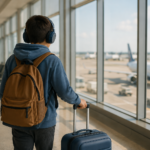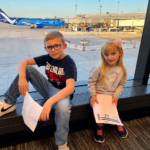



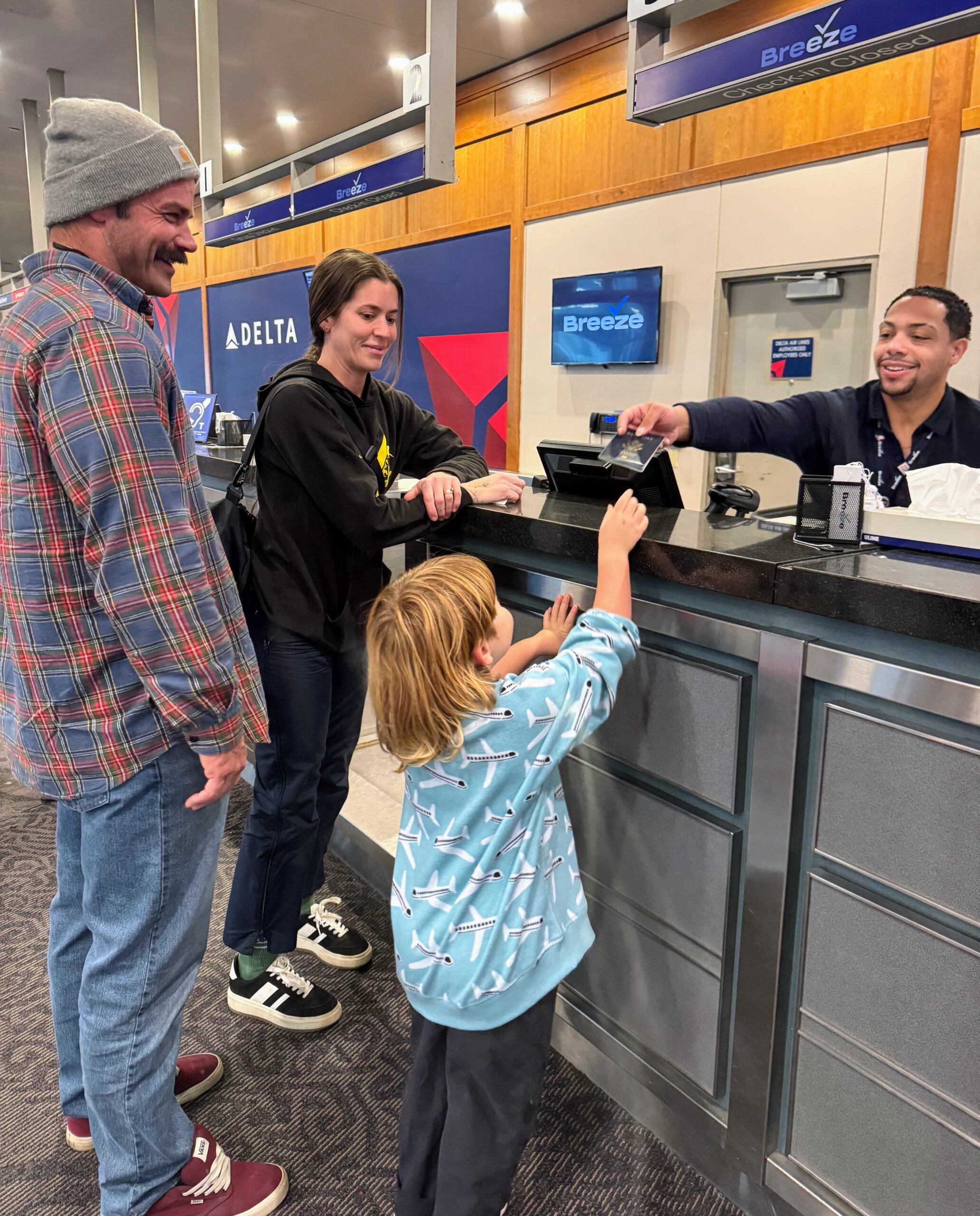
Travel can be one of life’s most enriching experiences. But for many autistic travelers and their families, the journey can include challenges that others may never notice — unexpected sensory environments, unfamiliar routines, or uncertainty about how situations will unfold.
Fortunately, small steps by travel professionals can make a significant difference.
Supporting autistic travelers does not require dramatic changes to operations. Instead, it begins with awareness, preparation, and thoughtful communication.
Understanding the Traveler
Autism is a spectrum, and every traveler has unique strengths, sensitivities, and preferences. Some individuals may be sensitive to sound or lighting. Others may benefit from predictable schedules or advance information about what to expect.
For travel professionals, the most important step is recognizing that there is no “one-size-fits-all” approach.
Simple questions such as:
-
“Are there any details we can provide ahead of time to help you prepare?”
-
“Is there anything we should know to make your stay more comfortable?”
can open the door to better communication and support.
The Importance of Preparation
Preparation plays a major role in successful travel experiences for many autistic individuals.
When travel providers offer detailed information in advance — such as schedules, restaurant menus, room layouts, or activity descriptions — families can review these details beforehand and help travelers understand what to expect.
This type of preparation can transform unfamiliar experiences into manageable and enjoyable ones.
Creating Predictable Environments
Predictability can significantly reduce stress during travel.
Providing clear instructions, maintaining consistent processes, and communicating changes early can help travelers feel more comfortable navigating new environments.
For example:
-
Explaining airport or hotel procedures step-by-step
-
Offering written schedules or itineraries
-
Providing visual guides for facilities
These small adjustments can create a much more supportive environment.
Training and Awareness
Many travel professionals want to provide better service to neurodiverse guests but may not know where to begin.
Autism-informed training gives staff the tools to understand common challenges autistic travelers may face and how to respond with empathy and practical solutions.
When employees feel confident supporting neurodiverse travelers, it benefits everyone—from the guest experience to staff satisfaction.
Inclusive Travel Benefits Everyone
When the travel industry takes steps to better support autistic travelers, the result is a more welcoming environment for many guests.
Clear communication, thoughtful preparation, and trained staff help ensure that more families feel confident exploring the world.
Inclusive travel is not just about accessibility. It is about creating experiences where every traveler feels understood and supported.